
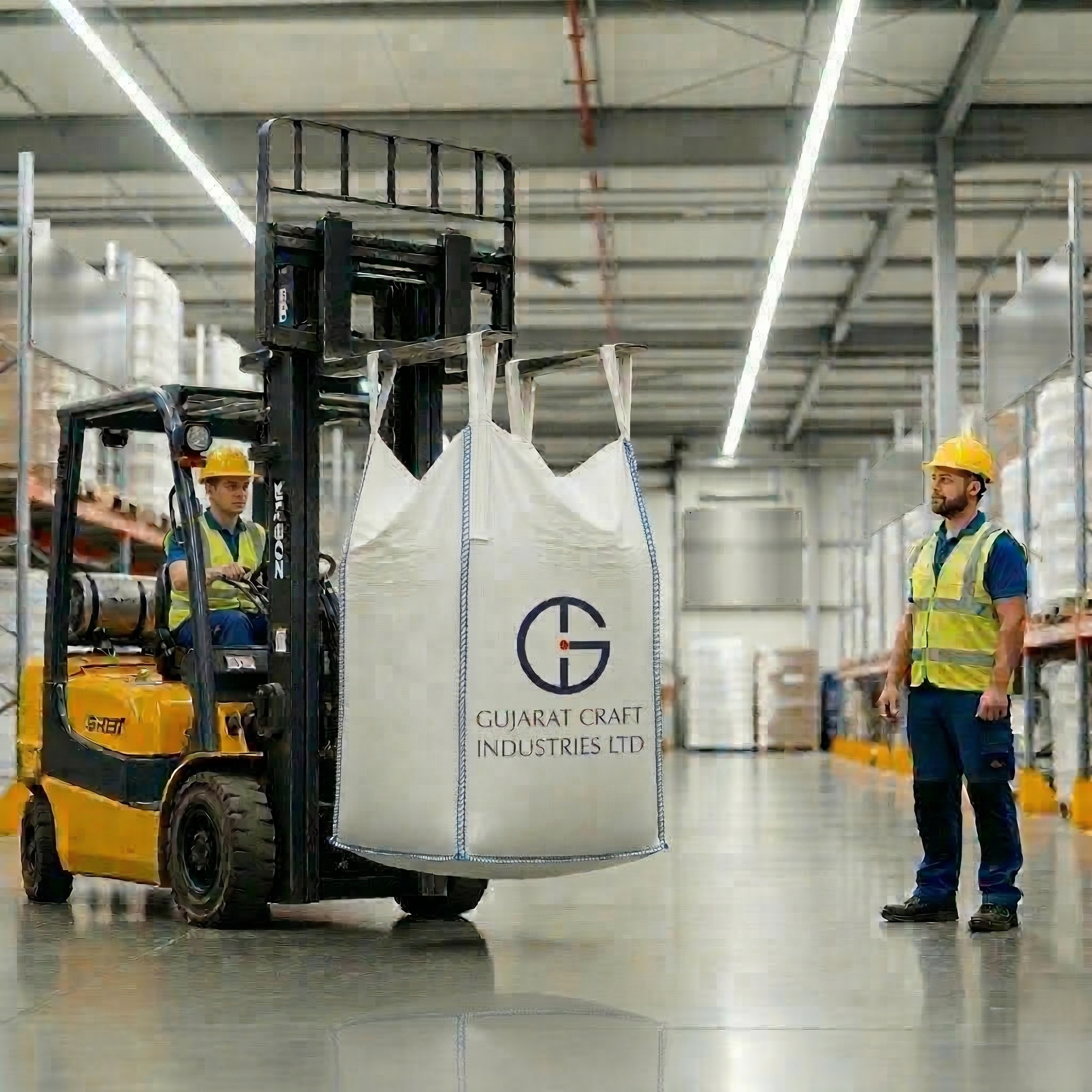
Flexible Intermediate Bulk Containers, commonly known as jumbo bags or bulk bags, have revolutionized the way industries transport and store dry, flowable goods. From agriculture to pharmaceuticals, their efficiency is unmatched. However, because these bags routinely hold weights ranging from 500 to2000Kg (or more), improper handling can lead to catastrophic accidents, product loss, and severe injuries.
To protect your workers and your bottom line, strict adherence to safety protocols is non-negotiable. Here are the top 10 crucial safety tips for handling and storing FIBC jumbo bags.
1. Always Inspect the Bag Before Use
Never assume a bag is safe just because it looks new. Before filling, thoroughly inspect the FIBC for any signs of damage. Look for snags, cuts, tears, frayed webbing, or UV damage (which often looks like chalky or faded fabric). If a bag shows any structural compromise, discard it immediately.2. Never Exceed the Safe Working Load (SWL)
Every FIBC is manufactured with a specific Safe Working Load (SWL), typically printed on the manufacturer’s label. This number indicates the maximum weight the bag is designed to carry safely. Overloading a bag puts stress on the fabric and lifting loops, greatly increasing the risk of sudden failure during transport.3. Use the Correct Lifting Techniques
When lifting an FIBC with a forklift or crane, you must use all provided lifting loops. If a bag has four loops, use all four. Never gather all four loops onto a single hook unless the bag is specifically designed for a single-point lift. Ensure the lifting loops are vertical to prevent lateral stress, which can rip the loops right off the bag.4. Ensure Forklift Tines are Smooth and Properly Spaced
Forklifts are the most common way to move FIBCs, but they are also a common cause of damage. Ensure the forklift tines (forks) have rounded edges. Sharp tines can easily slice through the lifting loops or the fabric of the bag. Additionally, space the tines to match the width of the loops to keep the bag stable during transit.5. Clear the Area of Personnel During Lifting
This is a golden rule of material handling: Never allow personnel to stand or walk underneath a suspended FIBC. Even with strict safety measures, accidents can happen. Keeping the area clear ensures that if a bag drops or spills, no one is in harm’s way.6. Fill and Empty the Bag Evenly
When filling an FIBC, ensure the material is distributed evenly to prevent the bag from leaning to one side. A lopsided bag is unstable and prone to tipping over during transit or storage. Similarly, when discharging material, use bags with proper discharge spouts to control the flow and prevent sudden weight shifts.7. Store Indoors Whenever Possible
Polypropylene, the material most FIBCs are made from, naturally degrades when exposed to prolonged sunlight (UV rays) and harsh weather. Even though most quality bags are treated with UV inhibitors, it is always best practice to store filled and empty bags indoors. If outdoor storage is unavoidable, cover the bags with a dark, waterproof tarp.8. Stack Safely and Securely
If you must stack filled FIBCs, do so with extreme caution. Use a “pyramid” or “cross-stacking” method to ensure maximum stability. The bottom layer must be completely level and secure. Never stack bags higher than your facility’s safety guidelines dictate, and never stack bags that are leaning or improperly filled.9. Keep Away from Sharp Edges and Abrasions
During transport, ensure the bags do not rub against sharp edges on truck beds, pallets, or adjacent machinery. Friction and abrasion can quickly wear down the polypropylene fabric, leading to a blowout.10. Understand the Difference Between Single-Trip and Multi-Trip Bags
Pay close attention to the Safety Factor (SF) ratio on the bag’s label.- SF 5:1 (Single-Trip): These bags are designed to be used exactly once. They must never be refilled or reused.
- SF 6:1 (Multi-Trip): These bags are designed for multiple uses, but they must be rigorously cleaned and inspected between each use according to safety standards.
FIBC bags are incredibly strong and reliable, but they demand respect. By training your team on these 10 crucial safety tips, you can ensure a safer workplace, prevent costly product spills, and extend the functional life of your bulk packaging.
Looking for high-quality, fully certified FIBC bags for your operation? Gujarat Craft Industries Ltd. (GCIL)offers a wide range of bulk bags designed with your safety and efficiency in mind. Contact us today for a quote!
